


 Geneva, Switzerland
 What you'll do
During the ATLAS Phase-II upgrade in Long Shutdown 3, an all-silicon Inner Tracker (ITk) will be installed, consisting of four silicon strip layers and five hybrid pixel layers. The detector will provide exceptional radiation hardness and fast charged-particle reconstruction. The CERN ATL-TRK team contributes to the ITk pixel detector construction through the assembly, testing, and integration of hybrid pixel detector modules and their further integration into the detector.
Your responsibilities
- Assemble and test silicon pixel detector modules used in particle physics experiments.
- Support and improve production processes to achieve and maintain high throughput levels.
- Contribute to increasing the parallelisation of testing procedures in laboratory environments.
- Develop and maintain in-house software tools to optimise workflows and analyse test data.
- Work with databases to record, track, and evaluate measurement results.
- Present progress and results to internal teams and the wider project community.
- Assist in upgrading laboratory equipment and procedures to meet evolving project requirements.
- Collaborate closely with engineers, physicists, and technicians in a multidisciplinary team.
- Contribute to the integration of assembled detector modules into larger sub-systems of the ATLAS ITk Pixel detector.
Still here? Let's make a quick check about
Your profile
- Experience with the assembly, testing, and characterisation of silicon detector modules or similar systems.
- Practical experience with laboratory instrumentation such as probe stations, metrology systems, or optical inspection instruments.
- Ability to perform quality control measurements and evaluate results with attention to accuracy and repeatability.
- Experience in automating laboratory procedures and data acquisition using programming languages such as Python.
- Familiarity with data analysis, database tools, and documentation systems used in detector production or similar environments.
- Experience working in large, international research collaborations and contributing to common infrastructure or shared facilities.
- Demonstrated ability to plan, prioritise and deliver results under tight schedules in a production environment.
- Your studies focused on Physics or Electronics.
Your skills
- Knowledge of silicon tracking detectors for high energy physics experiments.
- Experience in handling silicon detector modules and required laboratory equipment.
- Experience with common programming languages such as Python.
- Knowledge of data analysis and evaluation for silicon detector modules.
- Organised, accurate and independent approach to work.
- Ability to work effectively in multidisciplinary teams and international collaborations.
- Spoken and written English, with a commitment to learn French.
Employment conditions
- Work in Radiation Areas.
- Work during nights, Sundays and official holidays, when required by the needs of the Organization.
Global Benefits at CERN
Let's get you ready
Be sure to meet the eligibility criteria
- You are a national of a CERN Member State or Associate Member State. Currently, we cannot consider applications from Pakistani and Lithuanian nationals for positions with a 2026 start date, as the ceiling defined under Article II.5 of the Associate Membership Agreement has been reached.
- By the application deadline, you have a master’s degree with 2 to 6 years of professional experience since graduation or a PhD with a maximum of 3 years of professional experience since graduation. You are not eligible with only a bachelor’s degree.
- You have never had a CERN fellow or graduate contract before.
- Please pay attention to the additional criteria and requirements for this specific position and mentioned above.
You will need these documents to complete your application
- Your CV (English or French)
- A copy of your most relevant diploma or a certificate of achievement from your school (if you don't yet have your paper diploma)
- Any document you consider relevant to your application
Your CERNDepartment
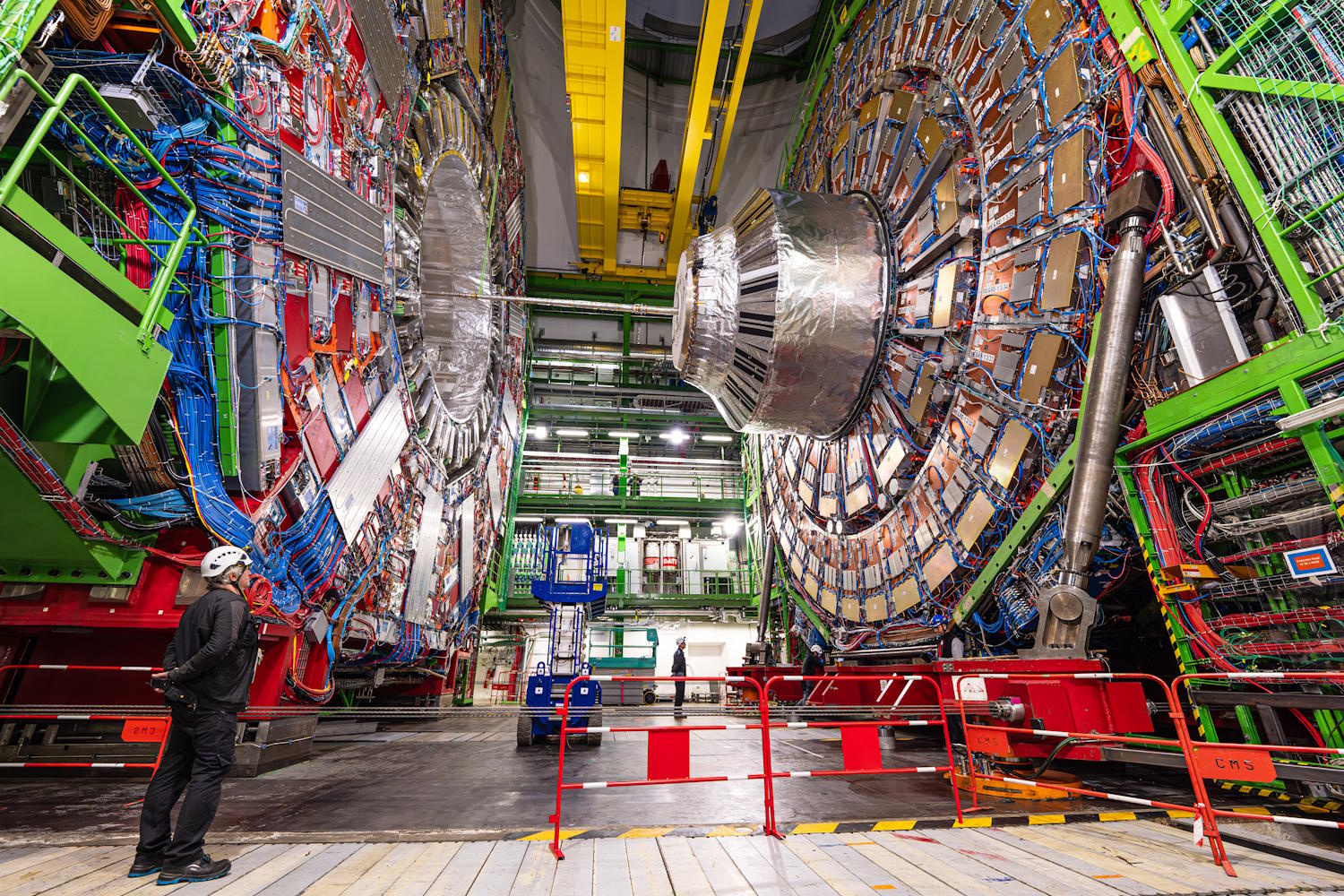
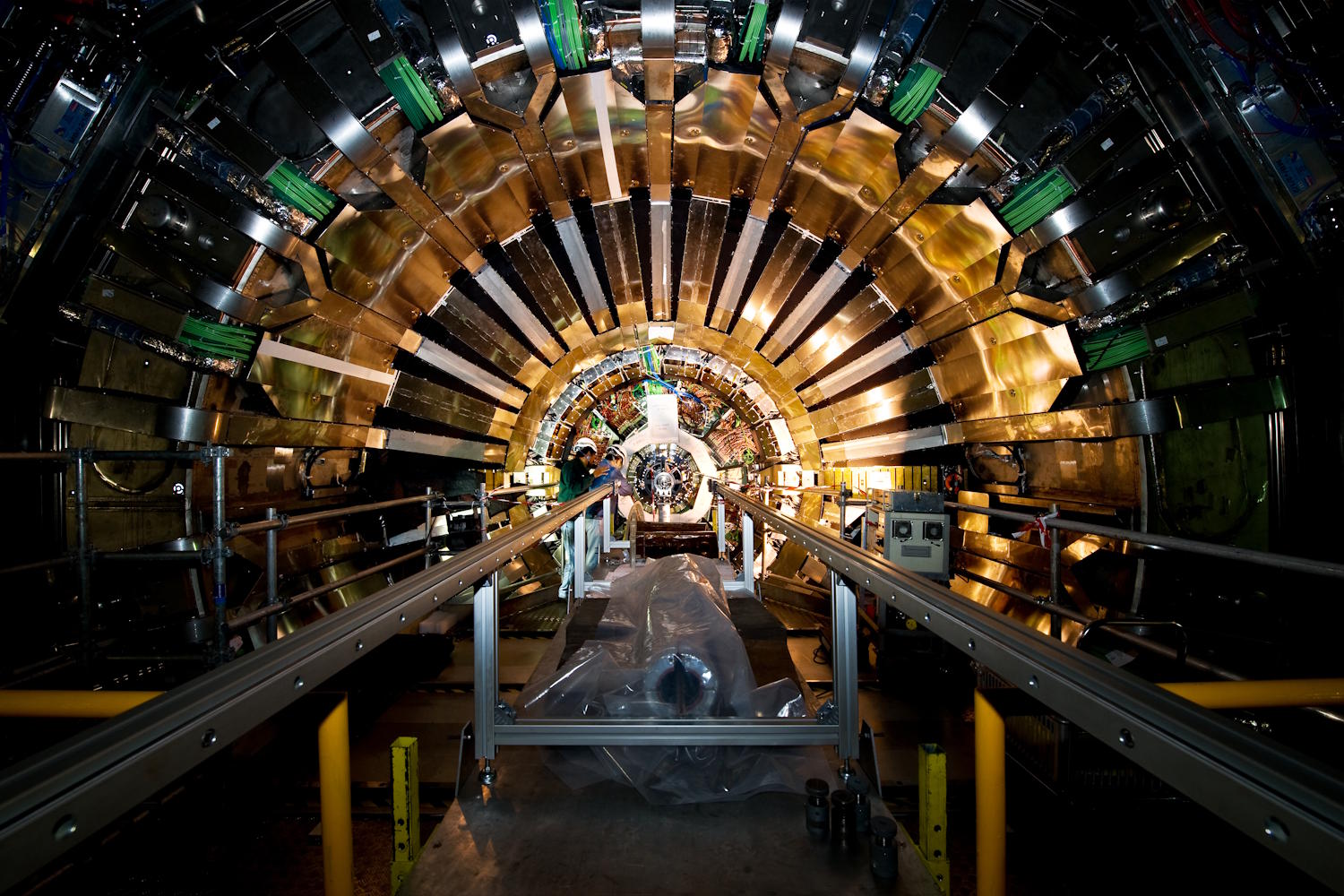
Overview of CERN
Discover a world where the impossible is made possible!
At CERN, the European Organization for Nuclear Research, we are pushing the frontiers of science and technology. Our groundbreaking work brings together not only physicists but also a diverse range of professionals from engineering, technical, scientific, and administrative fields. Together, we foster an environment where innovation and collaboration thrive.
Every day, we face exciting new challenges and opportunities to contribute to cutting-edge research that shapes our understanding of the universe. We meet these challenges through the diverse perspectives within our teams, ensuring every contribution is valued and driving our shared sense of inclusion and purpose. Diversity is a core value of CERN since its foundation, and it remains central to our mission and continued success.
If you are ready to be part of a dynamic, inclusive community pushing the boundaries of knowledge, CERN is the place where your curiosity and skills can thrive. Be part of our mission to uncover what lies at the heart of the universe! TAKE PART!

Ready To apply?
Be prepared with our resources and tips
All good?
Still have a doubt ? Here are the most frequently asked questions
-
What should I expect during my first week at CERN?
Your onboarding at CERN includes a comprehensive induction programme, which starts with an official welcome session at the beginning of each month. In addition, you will receive important information both before and after your arrival to ensure a smooth transition into your new role. This process is designed to help you get acquainted with CERN’s environment, your team, and the tools and systems you’ll be using.
-
How big would the team be?
The size of the team you'll be working with at CERN depends on the specific role and department. Some teams are small and highly specialized, while others are larger and more interdisciplinary. During the interview process, you'll have the opportunity to learn more about the team structure for the position you are applying for. -
What is the working language at CERN?
The working languages at CERN are English and French. However, it is not always mandatory to speak both languages to work at CERN. We offer language training to help you acquiring the other language. -
What support does CERN provide for relocation?
CERN does not offer direct assistance with relocation. However, depending on your role and specific criteria, you may be eligible for certain benefits such as an installation allowance and coverage of travel expenses to join CERN. These benefits are designed to help ease the transition when relocating to the Geneva area. For more information, please consult the “Salary, Benefits and Support“ page. -
Do I need a visa to work at CERN?
Whether you need a visa to work at CERN depends on your nationality and the duration of your stay. CERN assists with the necessary visa and work permit processes for its employees and visitors. The specific requirements will be communicated to you during the recruitment process. -
What would my salary be?
Salaries at CERN are determined by a structured scale. Salaries are based on your role, qualifications, and experience, and are not subject to negotiation. Specific details will be provided as your application progresses. For more information, please refer to the dedicated page.