


 Geneva, Switzerland
 What you'll do
In this role, you will join a multidisciplinary team of laser physicists, control engineers, and machine learning specialists to develop the automation layer of TALISMAN, a project aimed at automating laser ionization for the production of medically relevant radionuclides.
The work combines hands-on laboratory activities with the design, prototyping, and implementation of control algorithms and software.
At the intersection of applied physics, control systems, and computing, you will work directly with experimental hardware while applying modern algorithmic methods, contributing to a concrete deliverable and developing technical and collaborative skills in a unique scientific environment.
Your responsibilities
- Automate critical steps of the ion beam production chain, such as laser preparation, beam-path alignment, ion beam optimisation, and continuous monitoring, building on existing control interfaces.
- Engage with project stakeholders to define and refine requirements throughout the project lifecycle.
- Work hands-on in the laboratory with the laser setup alongside laser physicists and controls experts.
- Research and prototype suitable control algorithms, drawing from classical control, optimal control, and machine learning where necessary.
- Engineer the chosen approaches into automation and optimisation modules that integrate with existing device control software, following sound software engineering practices.
- Drive solutions toward operational deployment, including validation and documentation.
Still here? Let's make a quick check about
Your profile
- Initial experience working in an experimental laboratory / test-bench environment (optics, laser systems, or similar).
- Practical experience with control and/or optimisation algorithms, or machine learning (ML) methods.
- Programming experience in Python, including scientific and ML libraries.
- Practical application of software engineering practices, including version control (Git).
- Experience applying control algorithms and ML techniques to real-world systems and bringing solutions to operational deployment.
- Experience interfacing software with laboratory hardware (motors, cameras, sensors, or similar).
- Experience with beam transport and alignment.
- Prior exposure to LabVIEW.
- Your studies focused on Applied Physics, Computer Science.
Your skills
- Solid grounding in physics or engineering.
- Strong problem-solving skills and the ability to work independently.
- Ability to translate algorithmic concepts into working, maintainable code.
- Familiarity with image processing and analysis techniques.
- Excellent communication and collaboration skills, comfortable working across physics, controls, and software domains.
- Spoken and written English, with a commitment to learn French.
Global Benefits at CERN
Let's get you ready
Be sure to meet the eligibility criteria
- You are a national of a CERN Member State or Associate Member State. Currently, we cannot consider applications from Pakistani and Lithuanian nationals for positions with a 2026 start date, as the ceiling defined under Article II.5 of the Associate Membership Agreement has been reached.
- By the application deadline, you have a maximum of 2 years of professional experience since graduation in the respective field and your highest educational qualification is either a bachelor’s or master’s degree. You must have a university degree and can’t hold a PhD.
- You have never had a CERN fellow or graduate contract before.
- Please pay attention to the additional criteria and requirements for this specific position and mentioned above.
You will need these documents to complete your application
- Your CV (English or French)
- A copy of your most relevant diploma or a certificate of achievement from your school (if you don't yet have your paper diploma)
- Any document you consider relevant to your application
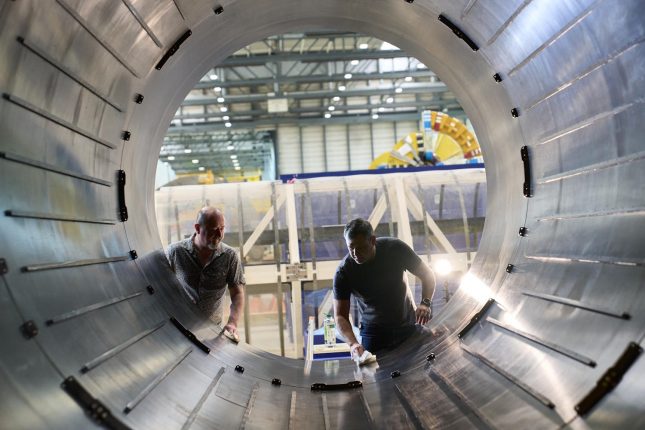
Your CERNDepartment
Its mission is to lead the development, construction, and operation of advanced particle accelerators, and to provide cutting-edge technology solutions that enable new discoveries in fundamental physics. Committed to promoting a culture of excellence, creativity and collaboration, individuals from diverse backgrounds contribute to the advancement of science and technology, as well as engaging in scientific education, outreach, and broader knowledge and technology transfer initiatives.
Overview of CERN
Discover a world where the impossible is made possible!
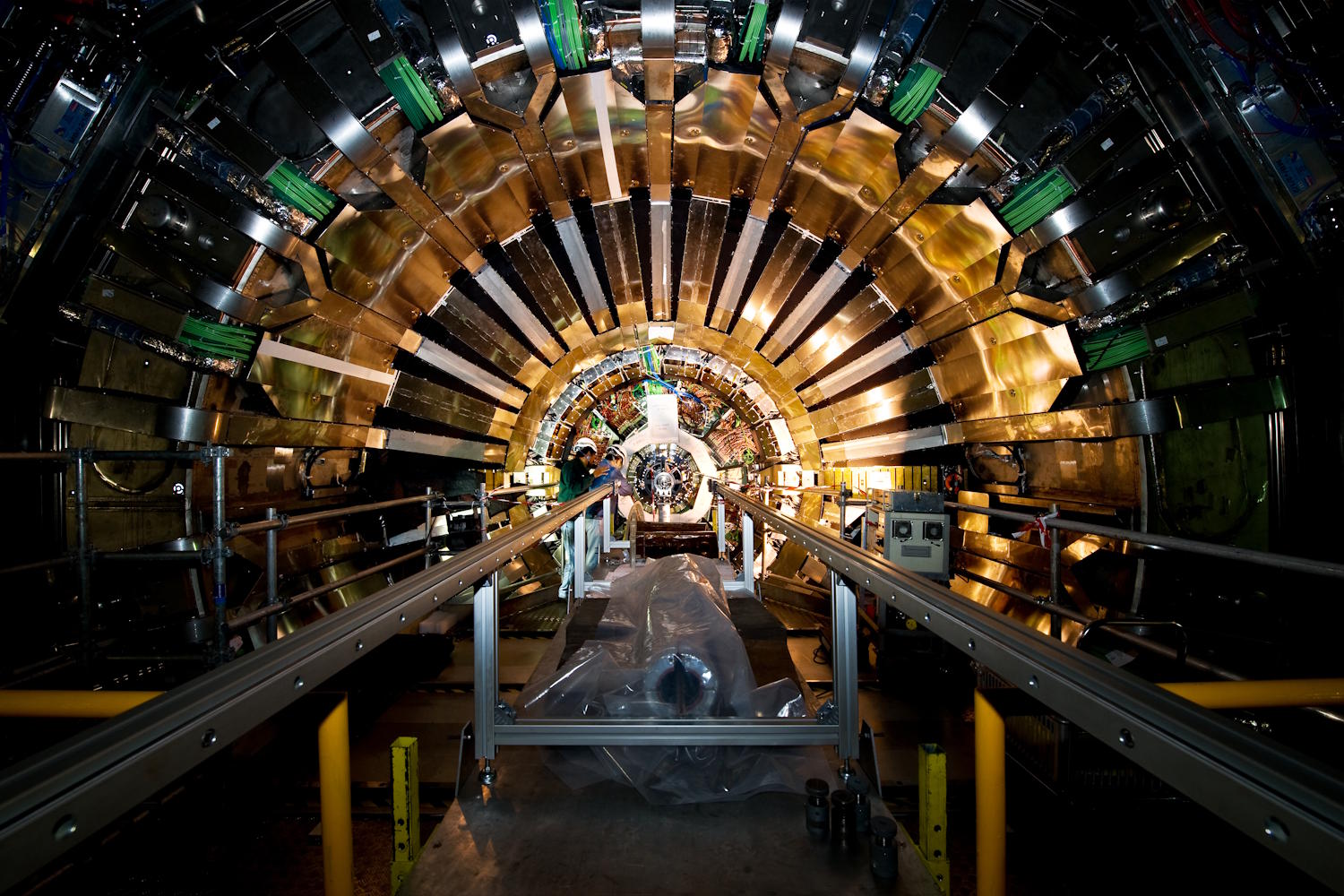
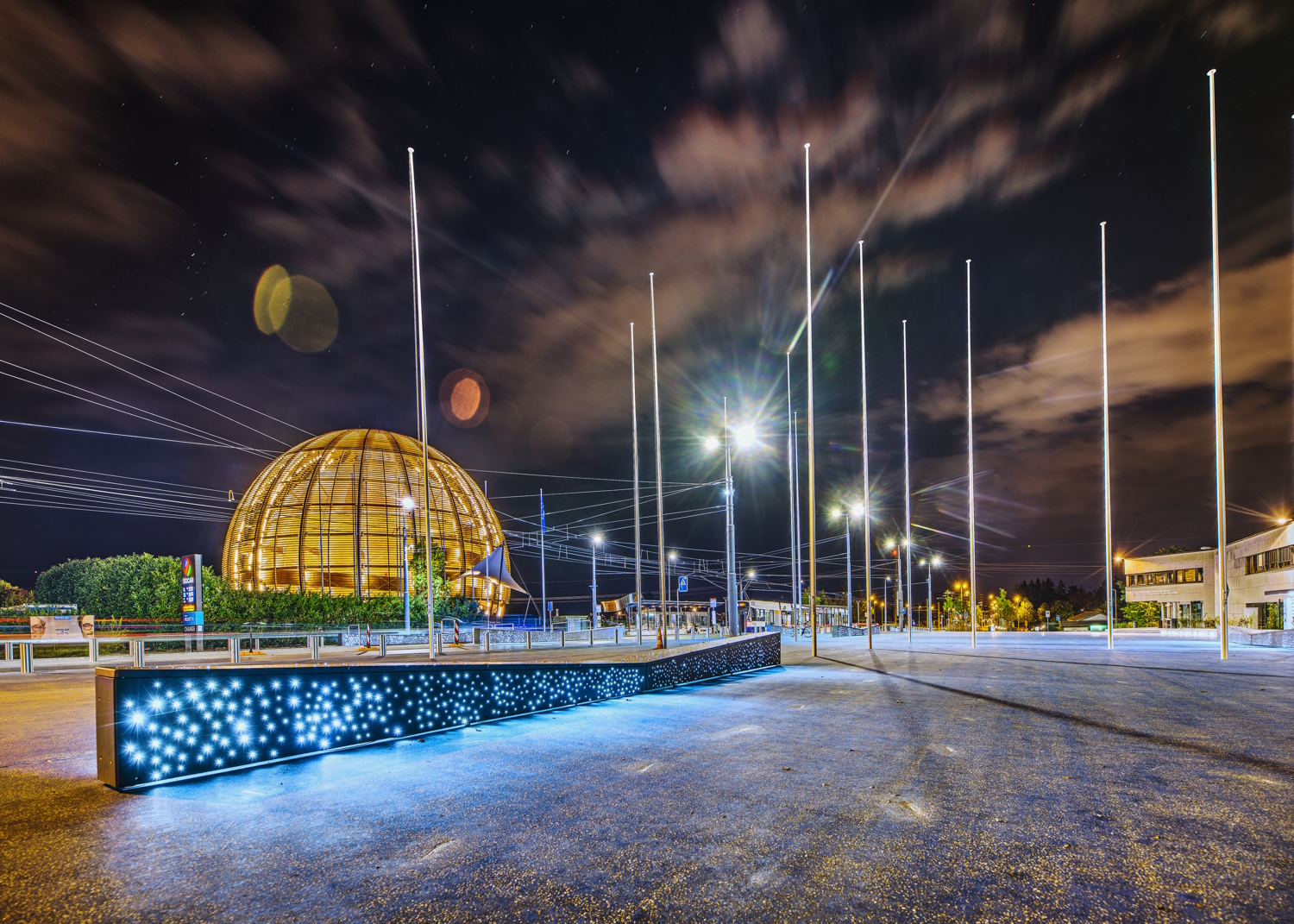
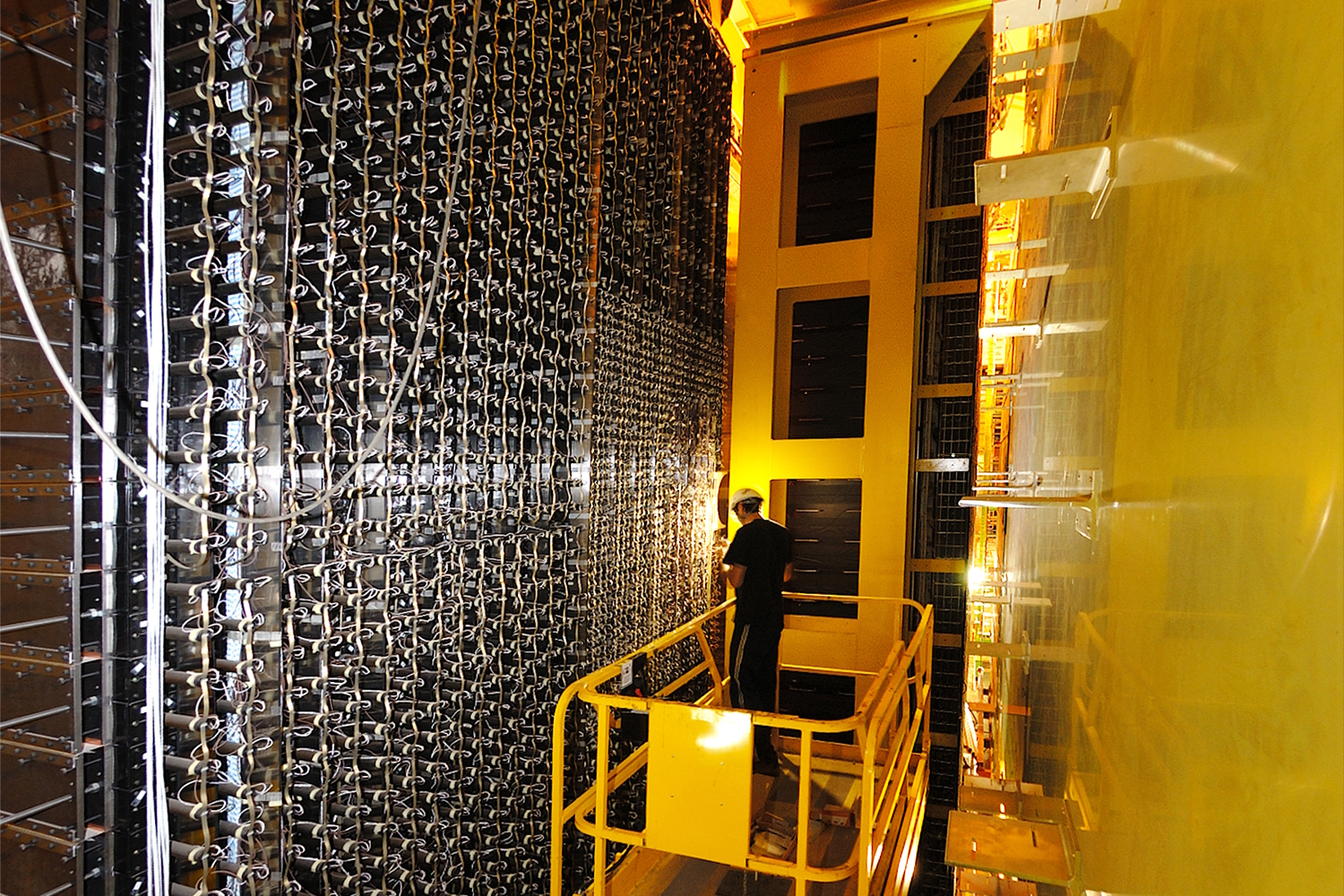
At CERN, the European Organization for Nuclear Research, we are pushing the frontiers of science and technology. Our groundbreaking work brings together not only physicists but also a diverse range of professionals from engineering, technical, scientific, and administrative fields. Together, we foster an environment where innovation and collaboration thrive.
Every day, we face exciting new challenges and opportunities to contribute to cutting-edge research that shapes our understanding of the universe. We meet these challenges through the diverse perspectives within our teams, ensuring every contribution is valued and driving our shared sense of inclusion and purpose. Diversity is a core value of CERN since its foundation, and it remains central to our mission and continued success.
If you are ready to be part of a dynamic, inclusive community pushing the boundaries of knowledge, CERN is the place where your curiosity and skills can thrive. Be part of our mission to uncover what lies at the heart of the universe! TAKE PART!
Ready To apply?
Be prepared with our resources and tips
All good?
Still have a doubt ? Here are the most frequently asked questions
-
What should I expect during my first week at CERN?
Your onboarding at CERN includes a comprehensive induction programme, which starts with an official welcome session at the beginning of each month. In addition, you will receive important information both before and after your arrival to ensure a smooth transition into your new role. This process is designed to help you get acquainted with CERN’s environment, your team, and the tools and systems you’ll be using.
-
How big would the team be?
The size of the team you'll be working with at CERN depends on the specific role and department. Some teams are small and highly specialized, while others are larger and more interdisciplinary. During the interview process, you'll have the opportunity to learn more about the team structure for the position you are applying for. -
What is the working language at CERN?
The working languages at CERN are English and French. However, it is not always mandatory to speak both languages to work at CERN. We offer language training to help you acquiring the other language. -
What support does CERN provide for relocation?
CERN does not offer direct assistance with relocation. However, depending on your role and specific criteria, you may be eligible for certain benefits such as an installation allowance and coverage of travel expenses to join CERN. These benefits are designed to help ease the transition when relocating to the Geneva area. For more information, please consult the “Salary, Benefits and Support“ page. -
Do I need a visa to work at CERN?
Whether you need a visa to work at CERN depends on your nationality and the duration of your stay. CERN assists with the necessary visa and work permit processes for its employees and visitors. The specific requirements will be communicated to you during the recruitment process. -
What would my salary be?
Salaries at CERN are determined by a structured scale. Salaries are based on your role, qualifications, and experience, and are not subject to negotiation. Specific details will be provided as your application progresses. For more information, please refer to the dedicated page.